This week’s spellings turned into an adventure.

Private betaProposed programme

Spellify uses the words a child is learning at school and gives them more ways to practise. Games, quests and places to explore turn the weekly list into something worth returning to.

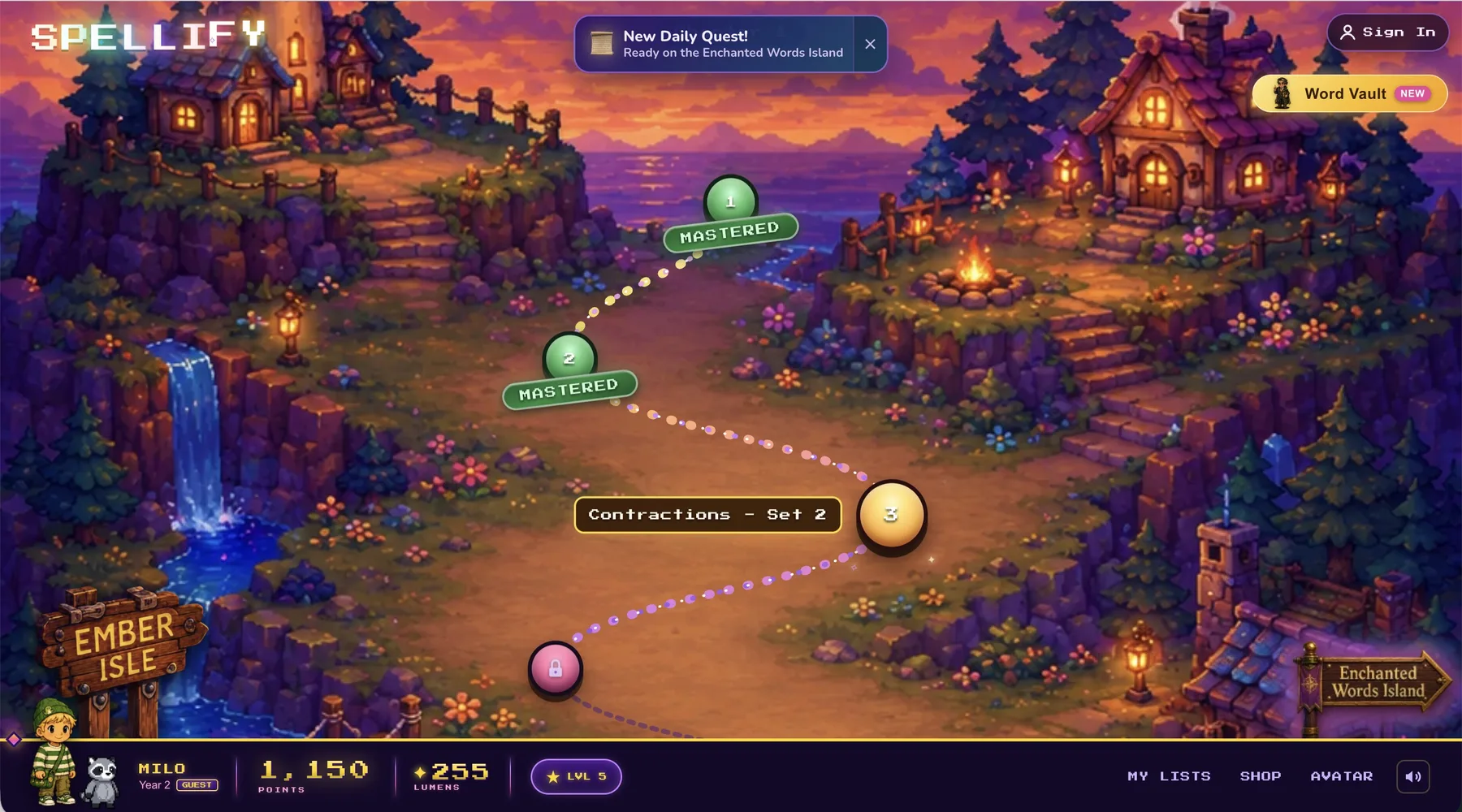
Demonstration

Working private beta. Proposed first funded programme.

The same list does not need the same method.

A spelling list often arrives with a familiar instruction. Read it, cover it, write it and check it. That can work for some children. Others need to hear the word, see it differently, practise it in context or return to it several times before it stays with them.

Spellify keeps the school’s words and gives the child more ways to learn them.

How a child uses Spellify.

  1. Add the weekly words by choosing a prepared list, typing them or importing a photo or document.
  2. Practise through games and activities across the adventure map.
  3. Receive support and another attempt when a word is difficult.
  4. Return to words over time until the learning is secure.
  5. Use printable activities to continue away from the device.
The Spellify adventure map, with a path between places to explore
Private beta

What exists today.

AreaCurrent position
Curriculum content178 structured lessons and 2,032 distinct words in the reviewed build
Activities11 registered games
Custom listsTyped lists, photo handoff and document import are present in the source
ProgressFive mastery states and scheduled review are present
AccountsParent accounts, child profiles and account controls exist
StageWorking private beta with further validation and release work required
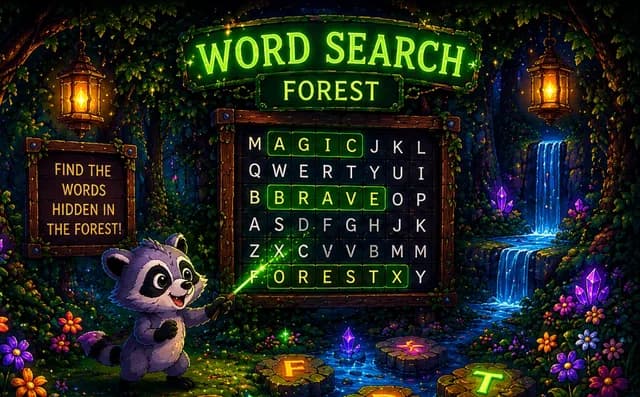
  • Word Search Forest
  • Spell Duel
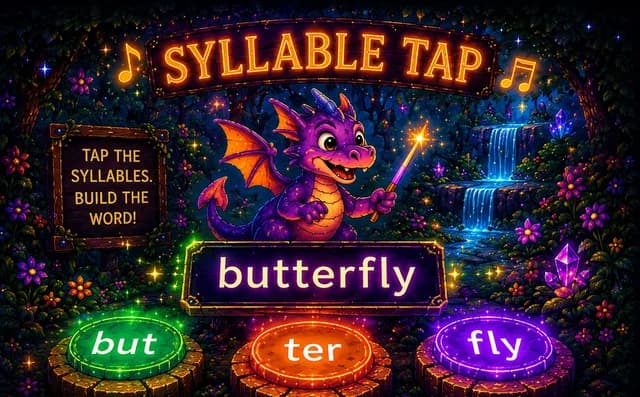
  • Syllable Tap
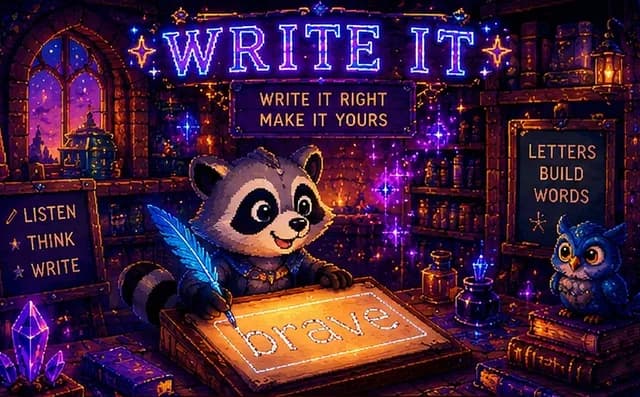
  • Write It
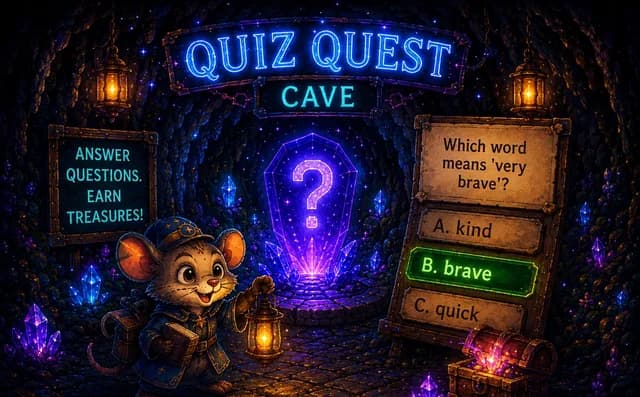
  • Quiz Quest Cave
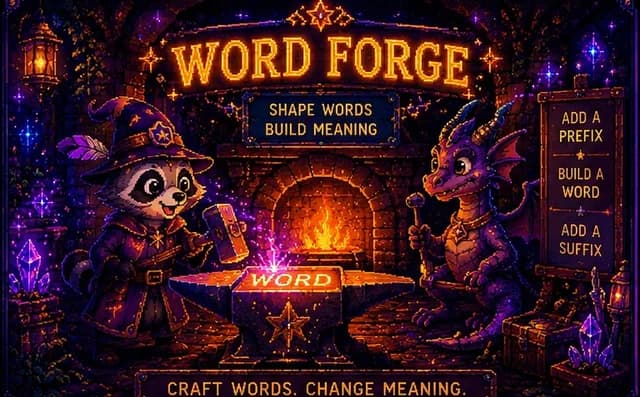
  • Word Forge
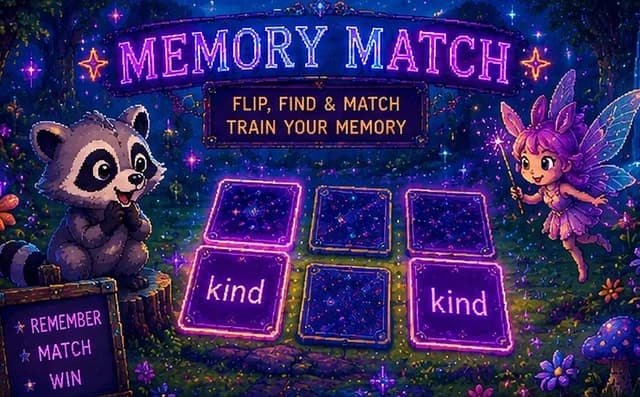
  • Memory Match
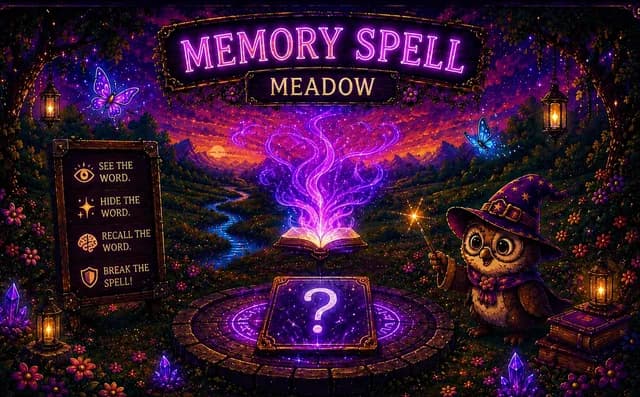
  • Memory Spell Meadow
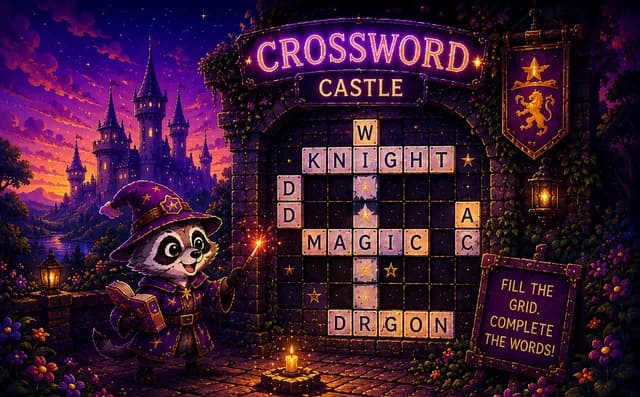
  • Crossword Castle

What informs the experience.

Spellify is being developed around practice over time, several ways to engage with the same words, useful feedback and support that can change without placing children on a public ladder.

The working build does not yet prove an educational outcome. The funded programme includes expert review and real testing so that claims can follow evidence.

The same words at school and at home.

Spellify is intended to let teachers and families work from the same list without requiring a school licence. The first programme must define and test the simplest reliable way to share a list and follow progress across devices.

Planned

Continue with paper and play.

Printable searches, puzzles and practice activities can use the child’s own words. The aim is to make the printed activity part of the same experience rather than a separate worksheet library.

Printed materials cost money to design and produce. If you would like to see them, you can back them directly.

Back real-life materials
Proposed programme

What the first programme will fund.

WorkstreamOutcome
Product completionA defined public release with agreed child, parent and school workflows
Educational reviewCurriculum, practice, feedback and assessment reviewed by relevant educators
Psychology and accessibilityReview of motivation, support, accessibility and the child’s experience
Pilots and testingStructured testing with children, families, teachers and at least one school
Privacy and securityData mapping, DPIA completion, security review and clear public information
Devices and releaseQuality assurance across agreed browsers and devices, then public release
ResourcesA complete first set of downloadable activities and a costed physical pack test
Launch and adoptionMarketing, school outreach, support material and initial operating reserve
Funding target
To be confirmed once the programme is costed
Delivery period
To be confirmed with the funded scope
Reporting
Publish milestones, spending and material changes to scope